
Chitral Pakistan is one of the most culturally distinct regions in the country, located in the far north of Khyber Pakhtunkhwa and surrounded by the Hindu Kush mountain range. Unlike many northern destinations that revolve around scenery alone, Chitral’s identity is shaped equally by its people, languages, and long-standing isolation.
The town of Chitral serves as the administrative and cultural center of a district that stretches across deep valleys, high passes, and remote villages. Travel here is slower by nature. Distances feel longer, seasons are more pronounced, and community life remains central.
What sets Chitral apart is not scale or infrastructure, but continuity. Traditions here have survived because the region remained relatively disconnected for much of its history. That isolation has preserved languages, customs, and social structures that are rare elsewhere in Pakistan.
Historically, Chitral functioned as a princely state, governed locally for centuries before its integration into Pakistan in the mid-20th century. Its geography shaped everything: political autonomy, trade patterns, and cultural development.
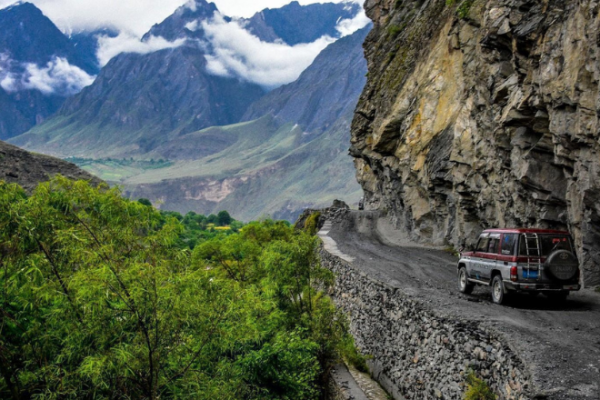
Road connectivity arrived late compared to other northern regions. Even today, access remains seasonal, reinforcing Chitral’s distinct rhythm of life. Winters are long and quiet. Summers bring movement, trade, festivals, and visitors.
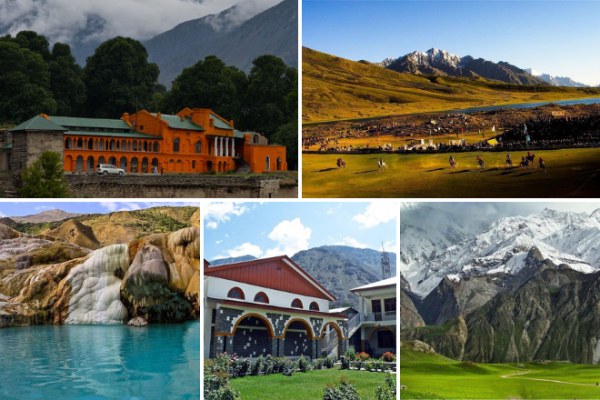
The town itself reflects local life rather than tourism design. Chitral Fort, located near the Chitral River, represents the region’s former princely administration and remains a central landmark.
Culturally distinct valleys known for living traditions, not museums.
Internal link: /destinations/khyber-pakhtunkhwa/chitral/kalash-valley/
A protected natural area near the town, representing the region’s wildlife and alpine ecosystems.
Internal link: /destinations/khyber-pakhtunkhwa/chitral/chitral-gol-national-park/
A high mountain pass linking Chitral with Gilgit-Baltistan, known for seasonal access and cultural events.
Internal link: /destinations/khyber-pakhtunkhwa/chitral/shandur-pass/
|
From City |
Approx. Distance |
Route Overview |
|
Islamabad |
~365–400 km |
Islamabad → Dir → Lowari Tunnel → Chitral |
|
Peshawar |
~390–420 km |
Peshawar → Dir → Lowari Tunnel |
|
Lahore |
~730–760 km |
Lahore → Islamabad → Dir → Chitral |
|
Karachi |
~1,400 km |
Flight to Islamabad, then road or flight |
Important note: Distances vary due to road conditions and seasonal routing. The Lowari Tunnel has significantly improved access, but the weather still affects travel.
The best time to visit Chitral is typically June to August, when roads, villages, and social life are fully active.
Accommodation in Chitral reflects function over luxury:
Heating, electricity, and hot water should always be confirmed, especially outside peak summer months. Staying with local hosts offers deeper insight but requires flexibility.
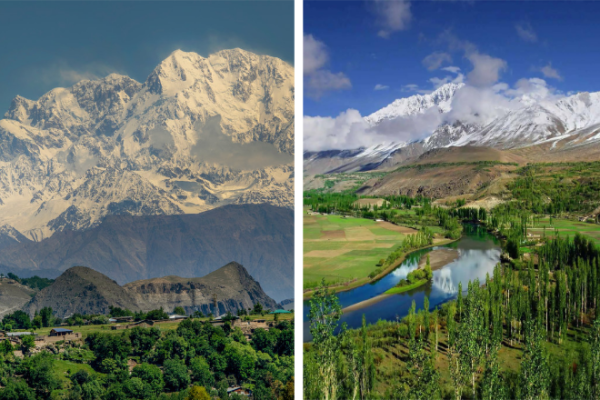
Village life, traditional attire, mountain backdrops, river scenes, and seasonal light changes.
Village lanes, riverside paths, and town markets where daily life unfolds naturally.
Seasonal camping in open valleys and designated areas with local guidance.
Used traditionally in villages and upper valleys for movement and herding.
Riversides and meadow areas during the summer months.
Food in Chitral is seasonal, local, and necessity-based, not commercial.
Chitral is known for:
These are consumed locally and traded to other regions seasonally.
This is where Chitral truly stands apart.
Chitral is one of Pakistan’s most linguistically diverse regions. Commonly spoken languages include:
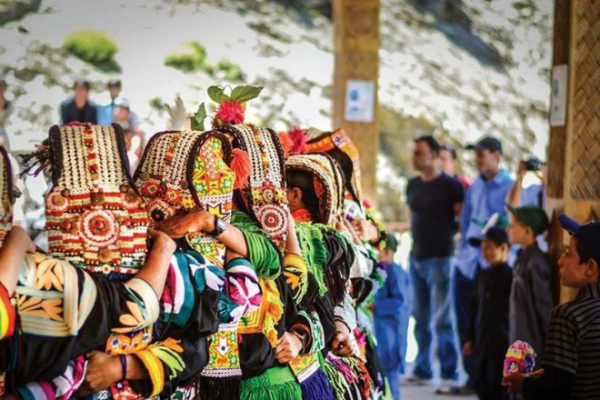
Traditional clothing remains visible:
Hospitality is quiet and respectful. Visitors are welcomed but expected to observe local customs. Privacy, modesty, and patience are valued.
Culture here is not staged. It is lived.
|
Category |
Species |
Where Found |
Visibility |
|
Mammals |
Markhor (protected) |
Chitral Gol NP |
Rare |
|
Mammals |
Himalayan ibex |
Upper valleys |
Rare |
|
Birds |
Snow partridge |
Alpine zones |
Occasional |
|
Birds |
Golden eagle |
High ridges |
Rare |