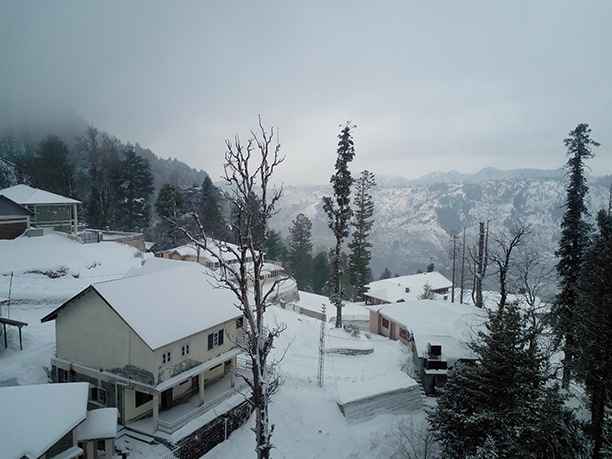
Murree Pakistan is the most visited hill station in Punjab and one of the oldest mountain resorts in the country. Located in the foothills of the Himalayas, Murree has long served as an escape from the plains, especially during summer when temperatures rise across central Punjab.
Unlike high-altitude valleys in the north, Murree is accessible, developed, and active almost year-round. It attracts families, honeymoon travelers, students, and weekend visitors from Lahore, Islamabad, and surrounding cities.
What makes Murree different from quieter mountain towns is its rhythm. It is not isolated wilderness. It is a functioning hill town with markets, hotels, viewpoints, and nearby forested areas. At the same time, early mornings and off-season days still offer moments of calm above the clouds.
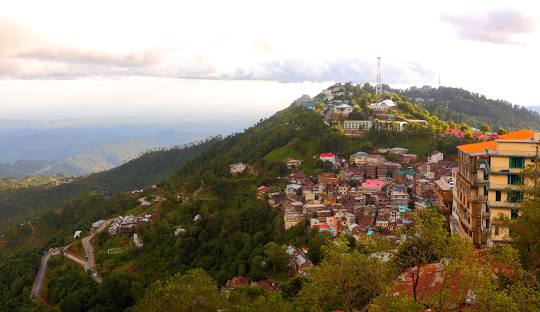
Historically, Murree was developed during the British colonial period as a summer retreat. Government offices and residences shifted here during hot months, shaping Murree’s early infrastructure. Churches, schools, and colonial buildings followed, giving the town a layout that still influences its central areas.
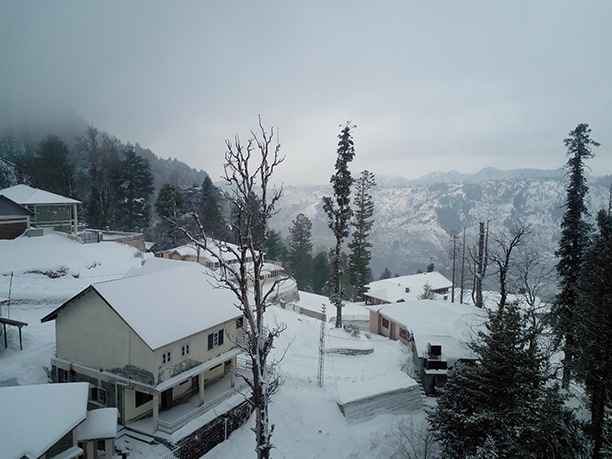
Over time, Murree transitioned from an administrative retreat into a public hill station. Roads improved, hotels expanded, and the town grew outward. Even today, Murree’s identity remains seasonal. Summer brings heavy tourism. Winter snowfall transforms it into a quieter, colder landscape.
Murree functions as both a destination and a gateway. The town itself offers walkable attractions, while the surrounding areas expand the experience.
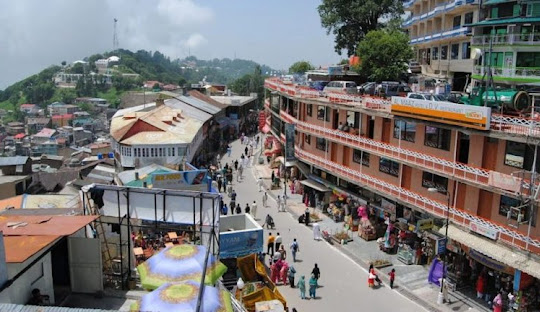
Mall Road remains the social center of Murree. Visitors walk here in the evening, shop for souvenirs, enjoy street snacks, and observe the town’s daily rhythm. It is not quiet, but it represents Murree’s identity more than any viewpoint.
Pindi Point offers wide views toward Rawalpindi and Islamabad. Horse riding and short chairlift rides are available here. The area is suitable for relaxed sightseeing and photography.
Quieter than Mall Road, Kashmir Point offers forested walking paths and open views. Early morning visits are especially peaceful.
Located about 15 km from Murree town, Patriata is known for its chairlift and cable car system. It provides higher elevation views and forest surroundings.
Internal Link: Patriata micro destination
A natural waterfall located within the Murree region. It requires a short walk through forested terrain and offers a quieter nature stop.
Internal Link: Neela Sandh micro destination
These represent the most popular things to do in Murree, especially for short trips.
Murree road distance varies by route (expressway vs GT-road style routing), and travel time varies heavily by traffic and snowfall season. For accuracy, the table uses route-based ranges rather than one “perfect” number.
From City | Approx. Distance | Approx. Travel Time | Route Overview |
Islamabad → Murree | ~64–70 km | ~1.5–2 hours | Islamabad → Murree Expressway |
Rawalpindi → Murree | ~55–65 km | ~1.5–2 hours | Rawalpindi → Murree Road (via Islamabad Expressway / Bhara Kahu side, depending) |
Lahore → Murree | ~393–449 km | ~5.5–7 hours | Lahore → Islamabad (M-2) → Murree (route distance varies) |
Faisalabad → Murree | ~480–560 km (route-dependent) | ~7–9 hours | Faisalabad → Lahore/Islamabad corridor → Murree (varies by chosen motorway links) |
Karachi → Murree | N/A by road (very long drive) | Fly + road | Fly to Islamabad, then drive to Murree |
Season note: In heavy snowfall, roads into Murree can be closed for safety and evacuation. Road access is straightforward during most of the year. In winter, heavy snowfall may restrict vehicle movement. Chains are sometimes required during peak snowfall days.
The best time to visit Murree depends on the experience you want.
Summer
Pleasant temperatures. Peak tourist season. Heavy traffic on weekends.
Spring
Clear views and moderate temperatures. Less crowded.
Autumn
Fewer visitors. Cooler evenings. Quieter environment.
Winter
Snowfall attracts visitors, but road closures and power disruptions are possible.
Unlike northern valleys that close completely, Murree remains partially accessible year-round.
Accommodation in Murree ranges from budget guesthouses to mid-range hotels and a few higher-end options. Most are located around Mall Road and nearby areas.
During peak summer and snowfall season, booking in advance is strongly recommended. Prices fluctuate significantly based on demand.
Facilities vary widely. Travelers should confirm the availability of heating, hot water, and parking before booking.
Murree is a short-stay destination. Most visitors stay one to two nights before returning.
For photography lovers
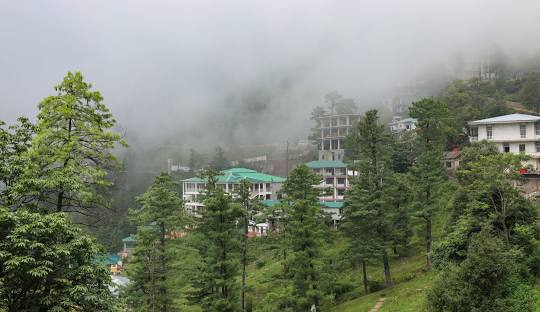
Early morning cloud layers over hills, Mall Road at sunset, forest light at Kashmir Point, snow-covered rooftops in winter.
For nature lovers
Forest walks, quiet mornings at Kashmir Point, exploration beyond main market areas, short hikes toward wooded ridges.
For adventure seekers
Horse riding at Pindi Point, chairlift rides at Patriata, zipline options in the surrounding forest areas, and short trekking trails.
For families
Shopping on Mall Road, picnic spots near viewpoints, chairlift experiences, and safe open areas for children.
For campers
Limited camping options exist in forest belts and nearby areas outside the central town. Organized camping is recommended rather than informal setups.
These experiences define the core things to do in Murree.
Food in Murree Pakistan is shaped by cold evenings, short stays, and a constant flow of visitors. The best approach is to think in full meals and winter-friendly food rather than “fancy dining.”
Full meals you will commonly find in Murree:
Hill fruits (seasonal) in the Murree hills region include apple, pear, plum, cherry, apricot, and walnut, along with other hill produce grown successfully in the area.
In season, you will see fruit stalls selling what is available that week, and it changes quickly with the weather.
Dry fruits and winter snacks are a big part of Murree’s market culture, especially around Mall Road and Cantt Market, where shops prominently sell mixed nuts and dried fruit selections.
If you want one simple rule: eat warm, eat early, and do not over-plan meals on peak weekends because restaurants get crowded.
Murree lies in the broader Galyat-Potohar adjacent belt. Locally, many residents speak Punjabi varieties, including Pahari and Potohwari, and the Pahari dialect cluster is specifically noted as being centered around the Murree area.
Culture here is not usually presented through large public cultural festivals in the way you see in some other regions. A research thesis on tourism in Murree notes that cultural promotion activities and distinct “cultural products” are not strongly established as a basis for tourists’ identity.
So the honest way to write this section is to focus on what visitors truly encounter:
If you want, I can add a short “How to shop without getting overcharged” line in Travel Tips, because Murree pricing swings on weekends.
Wildlife exists mainly in forest belts and quieter edges, not on Mall Road. This section remains conservative because overstating wildlife can undermine destination pages’ credibility.
Category | Species / Types | Where They Are Found | Visibility for Visitors |
Mammals | Red fox (occasionally) | Forest edges, quiet roads at dawn/dusk | Rare |
Mammals | Small wild mammals (varies) | Forest patches away from crowds | Very rare |
Category | Species / Types | Where They Are Found | Visibility for Visitors |
Birdlife | Mountain sparrows, small songbirds | Trees around Kashmir Point and forest belts | Common |
Birdlife | Partridge-type birds (seasonal) | Quieter slopes and forest edges | Occasional |
If you want a richer wildlife table, I can expand it, but only after I pull species lists from credible park/forest references for the Murree-Galyat belt (and I will cite them).
Murree is easy to reach, but it punishes casual planning during peak seasons.
What to pack (based on season):
Practical tips: