
Nathia Gali is a hill station located in the Galiyat region of Khyber Pakhtunkhwa, sitting at an elevation of around 2,500 meters above sea level. Known for its dense pine forests, cool climate, and quiet walking trails, Nathia Gali has long served as a retreat from the plains rather than a high-energy tourist hub.
Unlike larger hill stations, Nathia Gali is not built around sightseeing landmarks. Its appeal lies in the atmosphere rather than the attractions. Travelers come here to slow down, walk through forests, sit quietly, and experience cooler weather during the summer months.
Nathia Gali is closely linked with Ayubia National Park, and many of its trails and forested areas fall within protected land. This makes the town particularly attractive to travelers interested in nature, birdlife, and walking rather than shopping or adventure sports.
Historically, Nathia Gali developed during the British colonial period as part of the hill station network in the Galiyat region. Its location and climate made it a suitable seasonal retreat for administrators seeking relief from the summer heat in the plains.
Over time, Nathia Gali evolved into a small mountain town with limited commercial expansion. Unlike Murree, it did not grow into a dense urban hill station. Development remained restrained due to forest protection, terrain limitations, and later conservation efforts.
Today, Nathia Gali retains a low-density character, with residential cottages, guesthouses, and forest trails defining its layout. Its identity remains tied to walking, quiet living, and seasonal tourism rather than year-round activity.
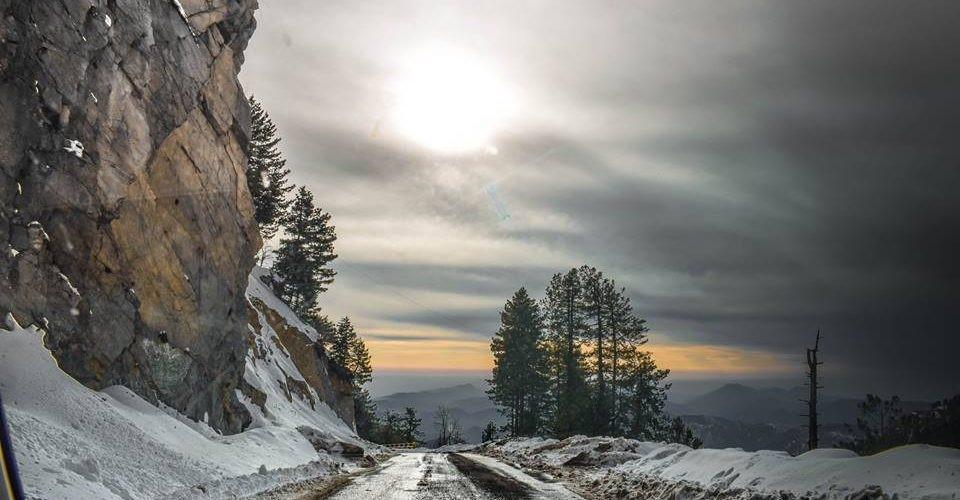
The most defining feature of Nathia Gali is its network of forest paths. These trails pass through pine, cedar, and oak forests and are suitable for casual walking.
Nathia Gali serves as a starting point for trails leading toward Mukshpuri and Miranjani, two of the most well-known walking routes in the region.
A small market area providing basic food items, tea stalls, and everyday necessities. It is functional rather than touristic.
A relatively flat walking track connecting nearby areas, popular for morning and evening walks.
A colonial-era church reflecting Nathia Gali’s historical development. It remains a quiet landmark rather than an active tourist site.
The small Nathia Gali bazaar caters to daily needs, food stalls, and basic shopping rather than souvenir tourism.
From City | Approx. Distance | Route Overview |
Islamabad | ~90 km | Islamabad → Abbottabad → Nathia Gali |
Rawalpindi | ~95 km | Rawalpindi → Abbottabad |
Lahore | ~460 km | Lahore → Islamabad → Abbottabad |
Peshawar | ~190 km | Peshawar → Islamabad → Abbottabad |
Local Transport Notes
Private vehicles are most convenient. Public transport reaches Abbottabad, after which local transport or taxis are used. Roads are paved but narrow in sections.
The best time to visit Nathia Gali is summer, especially for travelers escaping the heat from the plains.
Accommodation in Nathia Gali is limited and seasonal. Options include:
Luxury hotels are rare. Facilities are modest, and availability becomes tight during the summer. Heating and hot water should be confirmed in colder months.
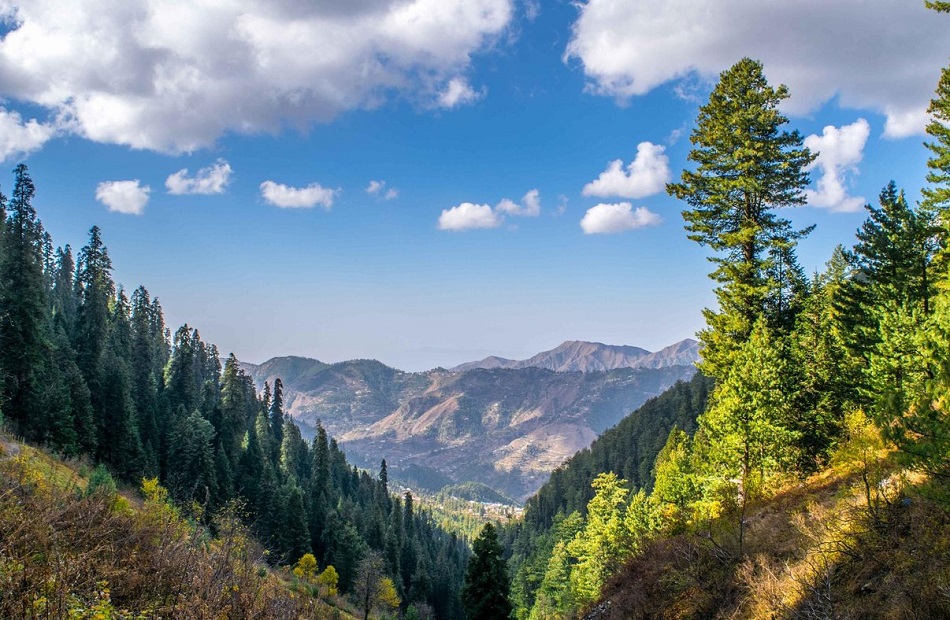
Nathia Gali is not an activity-heavy destination. Its appeal lies in how slowly it allows people to move through forests, streets, and everyday mountain life.
For photography lovers
Nathia Gali offers layered forest light, especially during early mornings when mist moves through pine and cedar trees. Seasonal changes affect visibility and color, making the same trail look different from month to month. Wildlife sightings are occasional rather than guaranteed, which encourages patience rather than pursuit.
For nature lovers
The surrounding forests are part of the Ayubia ecosystem and are best experienced through quiet walks rather than structured activities. Birdwatching is common due to the diversity of forest bird species. Nathia Gali suits travelers who prefer observation over action.
For families
Families typically spend time on short forest paths, designated picnic clearings, and relaxed walks within the town. The compact layout and slower pace make Nathia Gali one of the safer and more manageable mountain destinations for family travel.
For walkers
Walking is the primary way to experience Nathia Gali. Trails connect forests, viewpoints, and neighboring areas without requiring technical trekking skills. This makes Nathia Gali accessible to travelers who want movement without physical strain.
Food in Nathia Gali is functional and familiar, shaped by its role as a hill station rather than a culinary destination. Meals are designed to be warm, filling, and reliable for travelers staying overnight.
Chicken Karahi
Prepared in a straightforward style using familiar spices. It is widely available in small hotels and roadside eateries.
Daal Chawal
A staple daily meal, often served in guesthouses and smaller accommodations. It reflects home-style cooking rather than restaurant presentation.
Roti with Vegetable Curries
Seasonal vegetables are cooked simply and served with bread. These meals are common during longer stays.
Tea and Snacks
Tea is consumed throughout the day, especially in cooler weather. Pakoras, biscuits, and light snacks are easily available near the bazaar and walking areas.
Nathia Gali does not have a distinct food identity of its own. Most meals reflect Punjabi and Hazara regional cooking, shaped by traveler demand rather than local specialization.
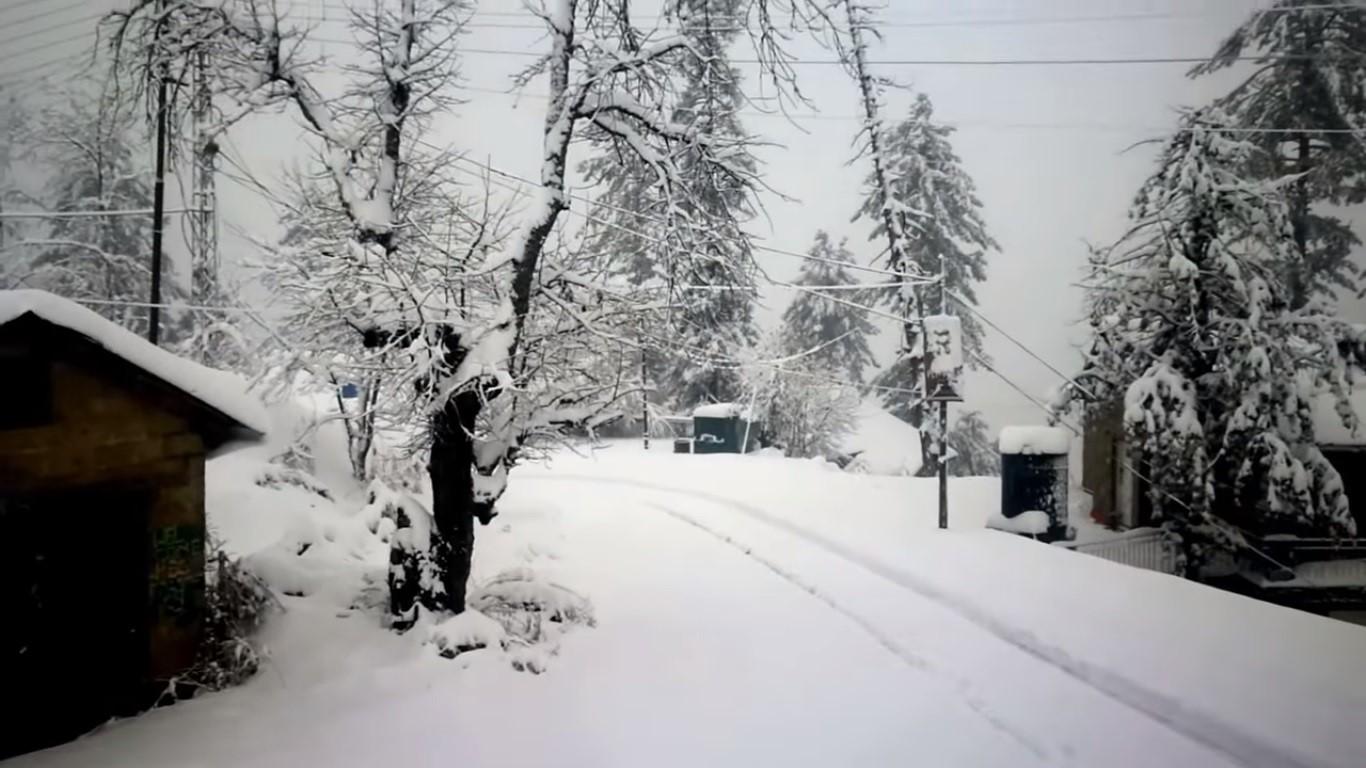
The population of Nathia Gali belongs mainly to Hazara and Hindko-speaking communities, with livelihoods tied to tourism, forestry, and local services.
Hindko is commonly spoken among locals, while Urdu is widely understood and used in daily interaction with visitors.
Warm clothing is worn year-round because temperatures are cooler. Traditional attire remains common in daily life, especially among long-term residents and older generations.
Nathia Gali has a quiet social rhythm. Life follows seasonal patterns, becoming busier during summer months and noticeably calmer in winter. Hospitality is reserved but sincere. Locals are helpful when approached respectfully, but social interaction is not performative or staged.
There are no major festivals unique to Nathia Gali. Cultural life here is understated and integrated into everyday routines rather than expressed through public events.
Category | Species | Visibility |
Mammals | Rhesus monkey | Common |
Mammals | Red fox | Rare |
Birds | Koklass pheasant | Occasional |
Birds | Himalayan woodpecker | Occasional |
Category | Species |
Trees | Pine, cedar, oak |
Plants | Ferns, wild grasses |
Shrubs | Seasonal flowering shrubs |