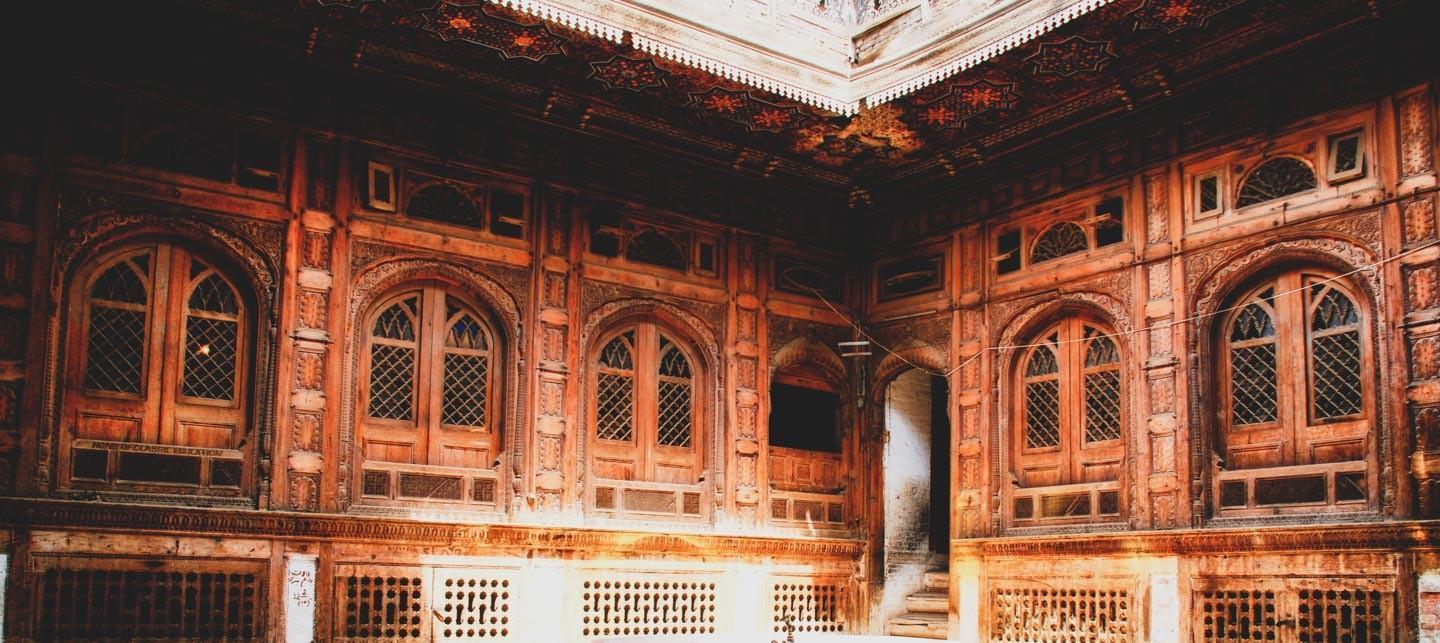
Sethi House Peshawar is one of the finest surviving examples of traditional merchant homes in the old city. Located in Sethi Mohallah, the house reflects the lifestyle, trade networks, and cultural tastes of Peshawar’s influential Sethi family during the late 19th and early 20th centuries.
Unlike forts or mosques, Sethi House offers something more personal. It shows how wealthy trading families actually lived. Today, the building functions as a heritage museum, allowing visitors to walk through rooms, courtyards, and halls that were once part of everyday family life.
This makes Sethi House a true cultural micro destination rather than a quick photo stop.
The Sethi family was among Peshawar’s most prominent Hindu merchant families, known for long-distance trade routes extending into Central Asia and beyond. Their wealth and exposure to multiple cultures influenced how the house was designed and decorated.
Built over several phases, Sethi House combines local construction methods with stylistic elements inspired by Central Asian and subcontinental traditions. After the partition, the property changed hands and later came under government care.
Following restoration, it was opened to the public as the Sethi House Museum, preserving the building not just as architecture, but as a record of Peshawar’s mercantile history.
Interior Rooms and Courtyards
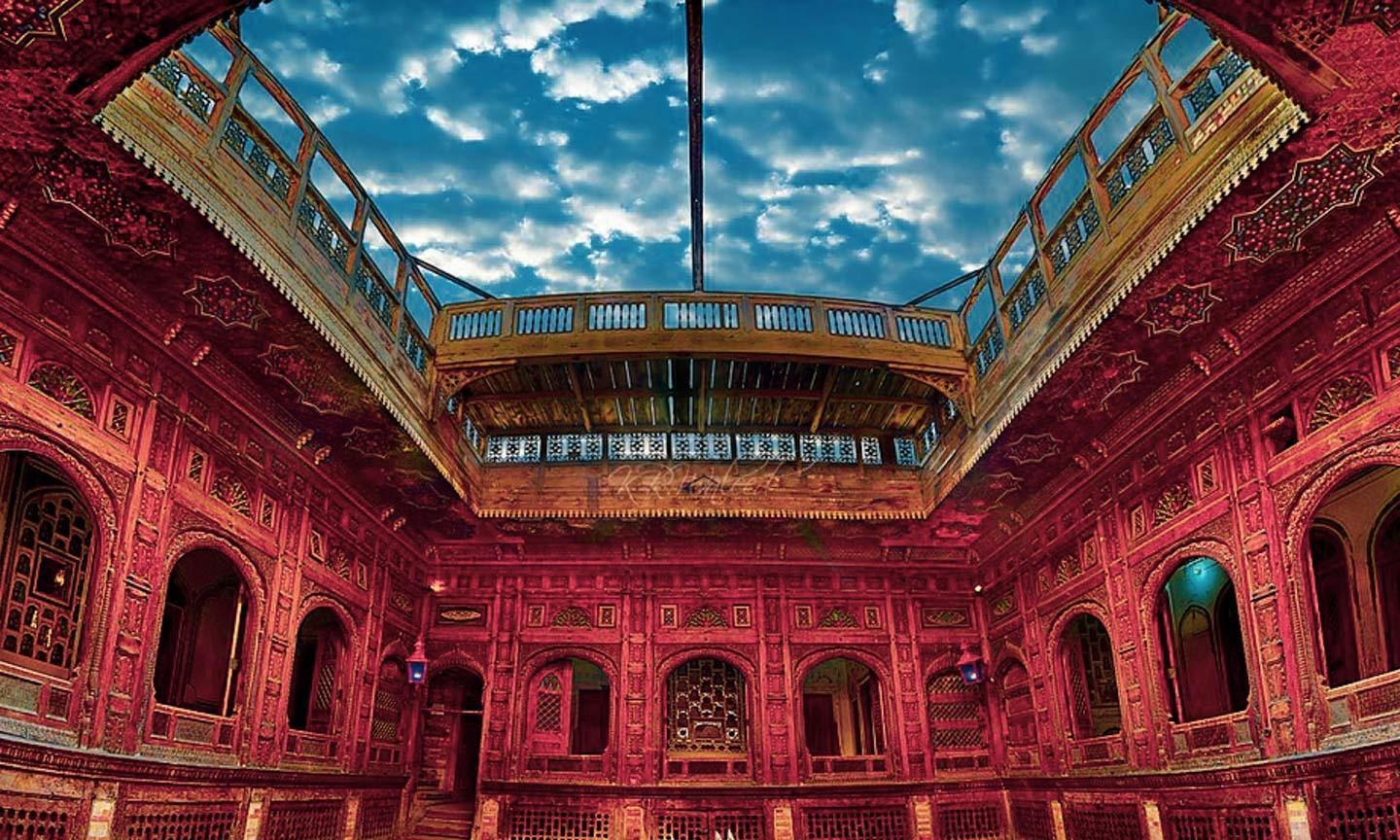
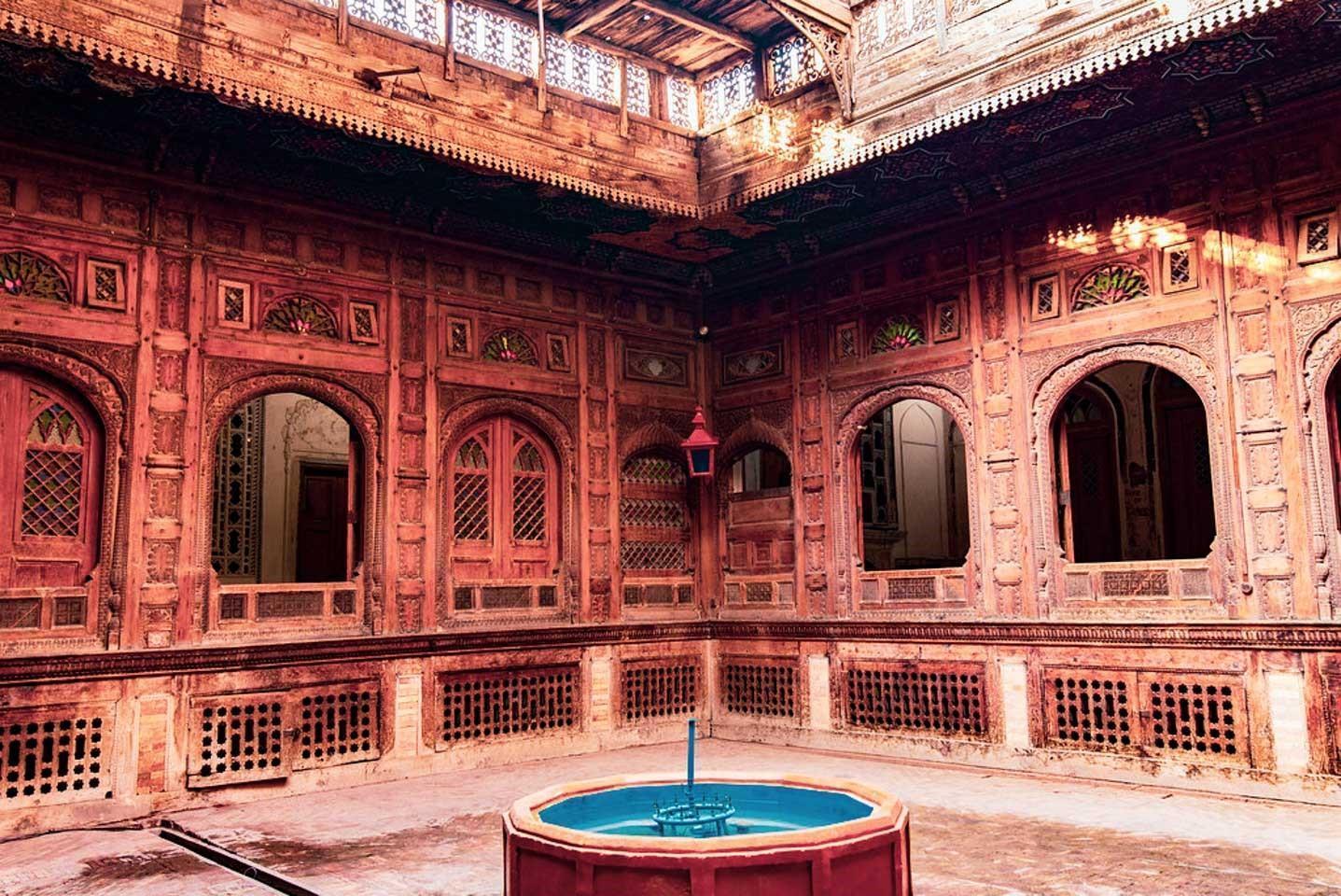
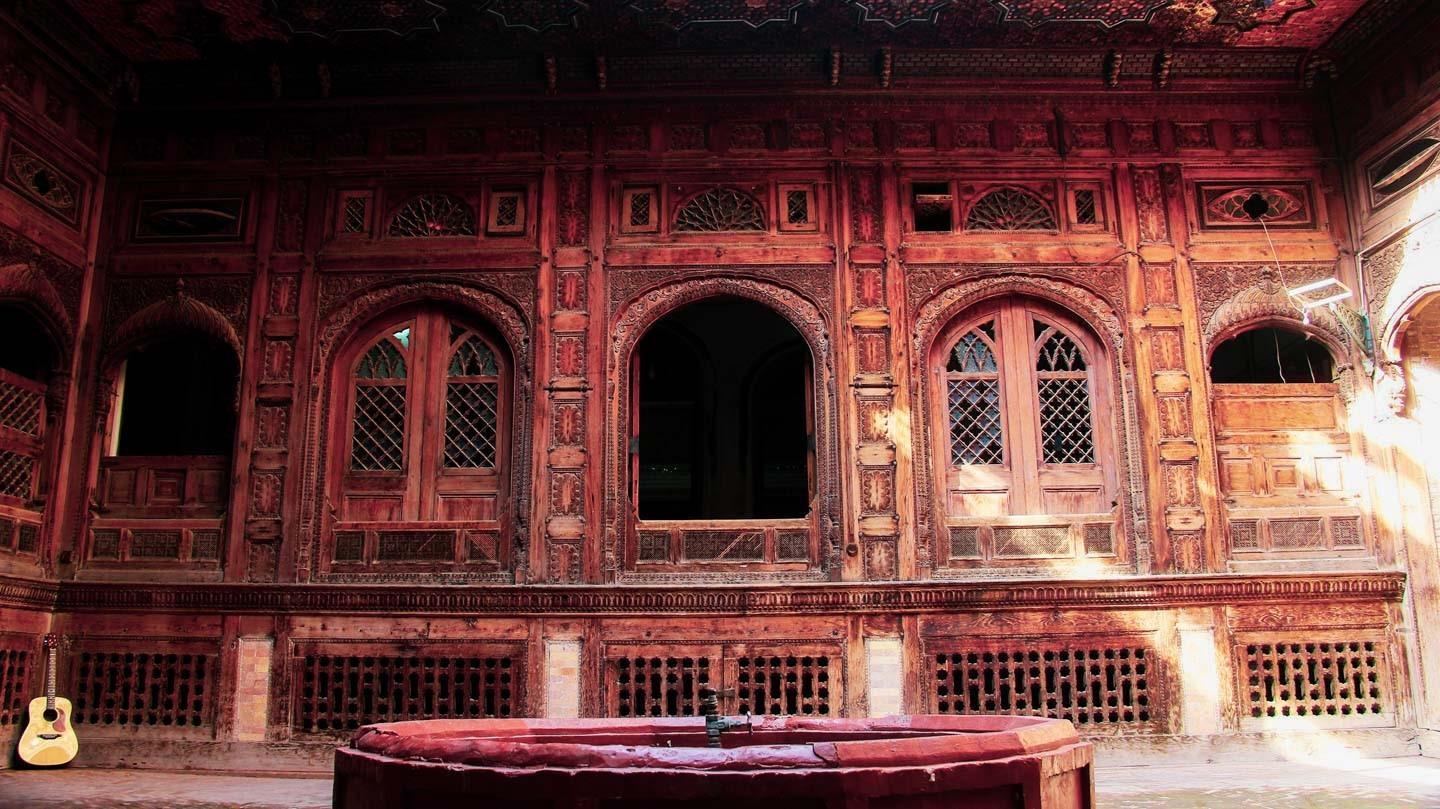
The house is organized around multiple courtyards, allowing light and airflow while maintaining privacy. Visitors can see living rooms, guest areas, and family spaces.
Woodwork and Decorative Details
Intricate wooden doors, carved balconies, and painted ceilings highlight the period’s craftsmanship.
Museum Displays
Artifacts on display include household items, photographs, and decorative pieces that reflect upper-class urban life in historic Peshawar.
Old City Setting
Stepping outside Sethi House places visitors back into narrow lanes that still follow the same layout they did a century ago.
Location: Sethi Mohallah, Peshawar old city
Access point: Near Qissa Khwani Bazaar
The house is best reached on foot after entering the old city by rickshaw or car.
Ticket prices may change slightly, so confirming at the entrance is advised.
The best time to visit Sethi House Peshawar is during the cooler months.
Morning hours offer better light and fewer visitors.
Sethi House is part of a living neighborhood, not an isolated monument. Visitors should keep their voices low, avoid blocking narrow streets, and respect local residents.
Preserving heritage homes like this depends on careful tourism practices and respect for the community.