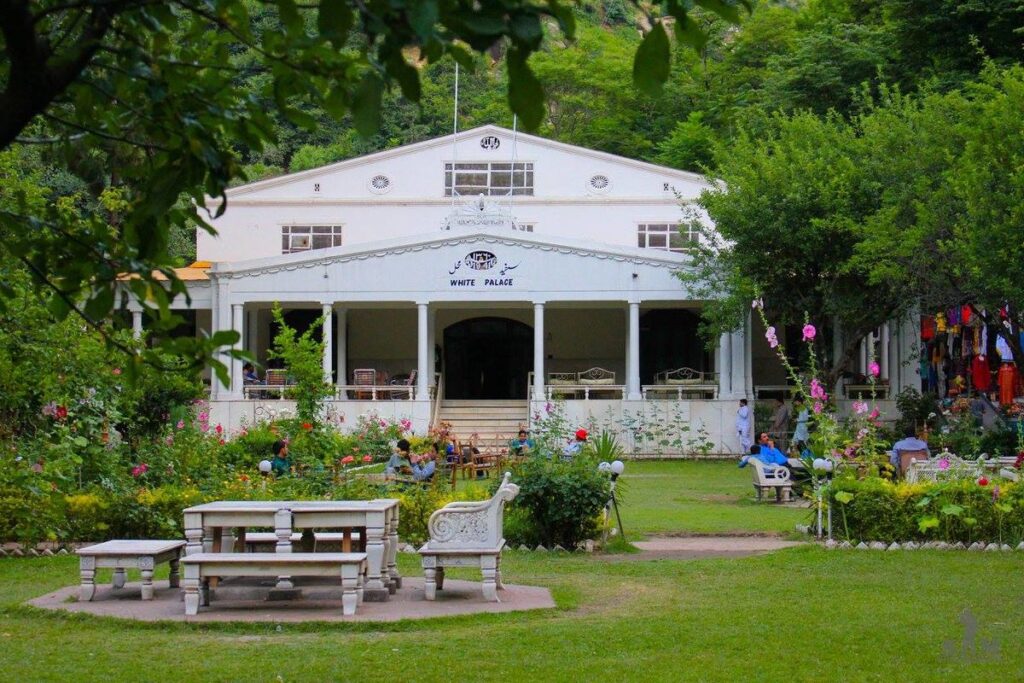
Evolution of the Swat Valley

Swat’s historical significance extends beyond its ruins and monuments. The valley has long served as a meeting point between Central Asia and the plains of South Asia. Trade routes passed through these mountains, shaping settlements that were both resilient and outward-looking. This long exposure to movement and exchange helped form Swat’s layered identity.
In the mid-20th century, when Swat was a princely state, local governance focused heavily on education, agriculture, and road development. Many schools and irrigation systems still in operation today trace their roots to this period. When Swat merged with Pakistan in 1969, these foundations allowed the region to adapt quickly to administrative change while retaining local character.
Modern Swat continues to evolve. Tourism has grown steadily, but it has not erased older rhythms. Seasonal farming, traditional markets, and community ties remain central to life here, especially outside major towns.
Key Highlights
- River-based valley system with towns spread along the Swat River
- A mix of natural scenery and archaeological heritage
- Accessible road network compared to high-altitude regions
- Suitable for families, cultural travelers, and photographers
- Multiple sub-destinations within short driving distances
Main Attractions
- Malam Jabba – Hill station and ski resort area, popular year-round
- Kalam Valley – Upper Swat region, known for rivers and forests
- Miandam – Hill village with pine forests and quiet surroundings
- Marghazar – Location of the historic White Palace
- Mingora & Saidu Sharif – Commercial and administrative centers
- Buddhist Archaeological Sites – Scattered remains from the Gandhara period
These collectively represent the most visited places to visit in Swat Valley.
How to Reach
Distance & Route Table (Major Cities)
From City | Approx. Distance | Route Overview |
Islamabad | ~247 km | Islamabad → Mardan → Malakand Pass → Mingora |
Lahore | ~520 km | Lahore → Islamabad → Mardan → Swat |
Peshawar | ~191 km | Peshawar → Mardan → Malakand Pass |
Faisalabad | ~600 km | Faisalabad → Islamabad → Swat |
Karachi | ~1,400 km | Fly to Islamabad or Peshawar, then by road |
Local Transport Notes
- Buses and vans operate regularly to Mingora
- Jeeps are used for upper Swat areas like Kalam
- Roads are mostly paved but may narrow in upper regions
Best Time to Visit
- Spring & Summer: Pleasant weather and full accessibility
- Autumn: Clear skies and fewer crowds
- Winter: Snow in upper areas; lower Swat remains accessible
This seasonal range defines the best time to visit Swat Valley depending on travel plans.
Hotels & Accommodation in Swat Valley
Swat Valley offers the widest range of accommodation options among Khyber Pakhtunkhwa destinations. Visitors can find everything from basic guesthouses and mid-range hotels to more established family-friendly accommodations in larger towns such as Mingora, Saidu Sharif, and Fizagat.
Lower Swat areas are suitable for travelers seeking comfort, accessibility, and longer stays, while upper Swat locations like Kalam and Miandam offer quieter lodging with closer access to nature. Many accommodations are locally owned, and hospitality tends to be personal rather than formal.
During peak seasons and public holidays, popular areas can fill quickly. Travelers planning to visit upper Swat should consider road conditions when choosing accommodation, as staying closer to main towns can reduce daily travel time.
Things to Do in Swat Valley
Upper Swat areas offer more movement and exploration, while lower Swat is better suited for relaxed stays. This range allows travelers to shape their experience without pressure, whether they want busy days or unstructured time.
- For photography lovers:
Riverbank shots along the Swat River; early-morning light in Kalam and Miandam; forest frames with pine backdrops; street photography in Mingora bazaars; snow scenes in Malam Jabba during winter.
- For nature lovers:
Slow riverside walks and camping; quiet time in forested villages like Miandam; picnics near streams; fishing in clear river stretches where locally permitted; observing daily life in upper Swat valleys away from traffic and crowds.
- For history & culture lovers:
Exploring the White Palace; visiting Buddhist archaeological sites; walking through old parts of Mingora and Saidu Sharif to understand local heritage and town life.
- For adventure & outdoor lovers:
Jeep rides to upper Swat areas like Kalam; chairlift rides, zipline, swing activities, and skiing (seasonal) in Malam Jabba; walking trails and light trekking around forest villages, river paths, and meadow edges; horseback riding, where locally available in select areas.
- For families:
Comfortable stays in Mingora or Fizagat; riverside outings; short scenic drives to nearby hill towns; relaxed sightseeing (including landmarks like the White Palace), picnic stops, and easy chairlift experiences without long travel hours or steep treks.
Beyond sightseeing, time in Swat is often spent simply being outdoors. Locals gather near the river in the evenings, families picnic under trees, and travelers slow their pace without needing an itinerary. Many visitors find that Swat encourages unplanned moments—stopping at a roadside tea stall, watching children play cricket, or sitting quietly by a stream.
Local Cuisine in Swat Valley
Food in Swat reflects the valley’s climate, agriculture, and way of life. Meals are designed to be warm, filling, and shared, rather than decorative or experimental. Cooking styles remain simple, allowing fresh ingredients to stand out.
Dishes and food items commonly enjoyed in Swat include:
- Fresh trout: Sourced from the Swat River and nearby streams, usually fried or grilled with minimal seasoning.
- Chapli kebab: Thick, well-seasoned, and less oily than versions found in larger cities.
- Mutton karahi: Cooked slowly and served hot, especially during gatherings.
- Daal and rice dishes: Regular home meals, often prepared with local vegetables.
Swat is also known for its locally grown fruits and dry fruits, which play an important role in daily life:
- Apples and apricots from nearby orchards
- Walnuts and almonds, commonly dried for winter use
- Seasonal fruits eaten fresh and preserved at home
Tea holds a special place in Swat’s food culture. Guests are routinely offered:
- Green tea or regular milk tea
- Dry fruits served alongside tea in the evenings
- Simple snacks during long conversations
Food here is not rushed. Meals are social moments, often shared with family or guests, reflecting the valley’s emphasis on togetherness and warmth rather than variety or presentation.
Culture and People of Swat Valley
Swat’s culture is deeply rooted in Pashtun traditions, where daily life revolves around community ties, respect, and hospitality. The majority of the population belongs to Yousafzai Pashtun tribes, and long-standing social values continue to guide interactions, especially outside major towns.
Key cultural traits you’ll notice in Swat include:
- Melmastia (hospitality): Guests are welcomed warmly, often without formality or expectation.
- Hujra culture: Community spaces where elders gather, discuss matters, and host visitors.
- Strong family structures: Extended families often live in close proximity and support one another.
Celebrations in Swat are not staged events but part of everyday life. Attan, the traditional Pashtun dance, is commonly performed at weddings and local gatherings. Men form circles and dance to the beat of the dhol, gradually building rhythm and energy. This dance is performed for personal celebrations, not as a tourist attraction, and is most often seen during the summer wedding season.
Seasonal rhythms shape life in the valley more than formal festivals:
- Spring: Return to farming activities and movement toward upper valleys.
- Summer: Peak wedding season, family visits, and social gatherings.
- Autumn: Harvest time and preparation for winter.
- Winter: Quieter months focused on family and indoor life.
Traditional clothing remains part of daily wear. Men commonly wear shalwar kameez with waistcoats, especially in cooler months, while women’s clothing varies by area but stays modest and practical. Locally used crafts include:
- Wood-carved household furniture
- Handwoven wool shawls
- Embroidered caps and simple textiles
These are items people actually use, not just sell.
Wildlife Around Swat Valley
Flora and Fauna of Swat Valley
Category | Common Species | Typical Locations | Notes |
Trees | Pine, Fir, Deodar | Upper Swat forests | Dominant forest cover |
Wild Plants | Alpine grasses, shrubs | Hillsides and valleys | Seasonal growth |
Mammals | Monkeys, foxes | Forest edges | Usually seen early morning |
Birds | Pheasants, mountain birds | Forests and fields | Common in quiet areas |
Aquatic Life | Trout | Swat River | Local fishing source |


Travel Tips
- Carry warm clothing even in summer evenings
- Respect local customs and dress modestly
- Start road travel early to avoid traffic
- Confirm weather conditions for upper Swat
- Keep cash for smaller towns and villages
Traveling in Swat rewards patience. Roads may be slower than expected, the weather can change suddenly, and plans sometimes need adjusting. Visitors who approach the valley with flexibility tend to have the most rewarding experiences. Swat is not a place to rush through — it’s a place to move with.