
Thandiani Hill Station is a quiet mountain retreat located east of Abbottabad, overlooking the Hazara plains and distant mountain ranges. Sitting at an elevation of roughly 2,700 meters, Thandiani is known for its cool climate, forested slopes, and wide open viewpoints.
Unlike busier hill stations such as Nathia Gali, Thandiani attracts travelers who prefer space, silence, and distance from crowds. It is not a commercial resort town, nor is it a quick sightseeing stop. Visitors usually come to stay overnight, enjoy the landscape, and experience a slower rhythm of mountain life.
Thandiani functions as a standalone hill station, offering accommodation, walking routes, viewpoints, and surrounding villages. This makes it suitable for a full core destination rather than a micro stop.
Thandiani developed during the colonial period as a summer retreat due to its elevation and cooler temperatures. Its name is commonly associated with the colder winds and climate experienced year-round compared to the surrounding lowland areas.
Unlike other Galyat towns that expanded rapidly with tourism, Thandiani remained relatively understated. Limited commercial development preserved much of its forest cover and open land. Even today, the area retains a balance between human settlement and natural landscape.
This restrained growth is part of Thandiani’s identity. It appeals to travelers who value natural openness over entertainment-driven tourism.
The area is built on forested ridges, with pine and fir cover that gives the place its signature smell and shade in summer. Clear days offer wide views across the Hazara region, and some sources note that you can see distant mountain ranges from the top viewpoints.
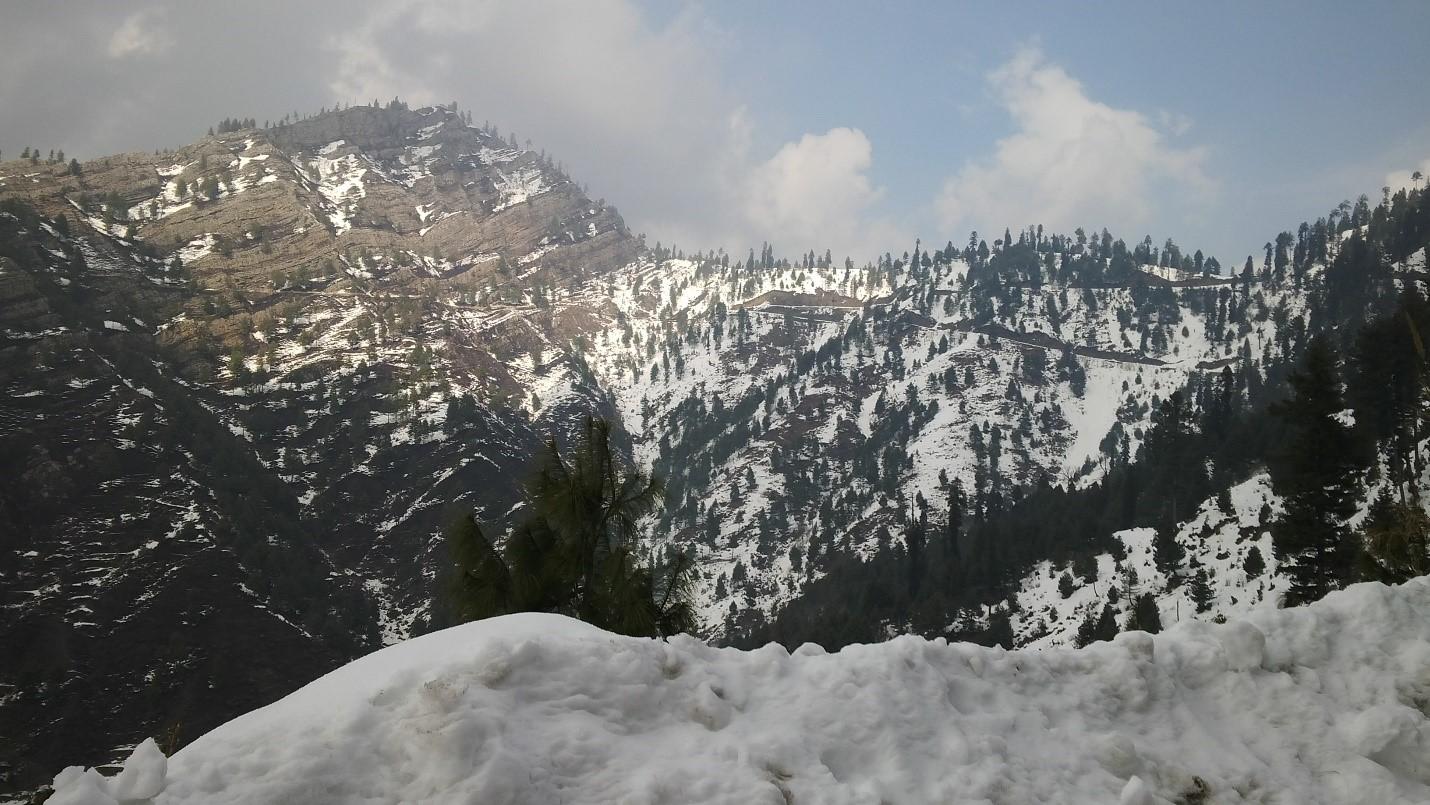
Several open viewpoints offer sweeping views of Abbottabad, the surrounding hills, and distant valleys. These viewpoints are not heavily commercialized and are best experienced during clear mornings or late afternoons.
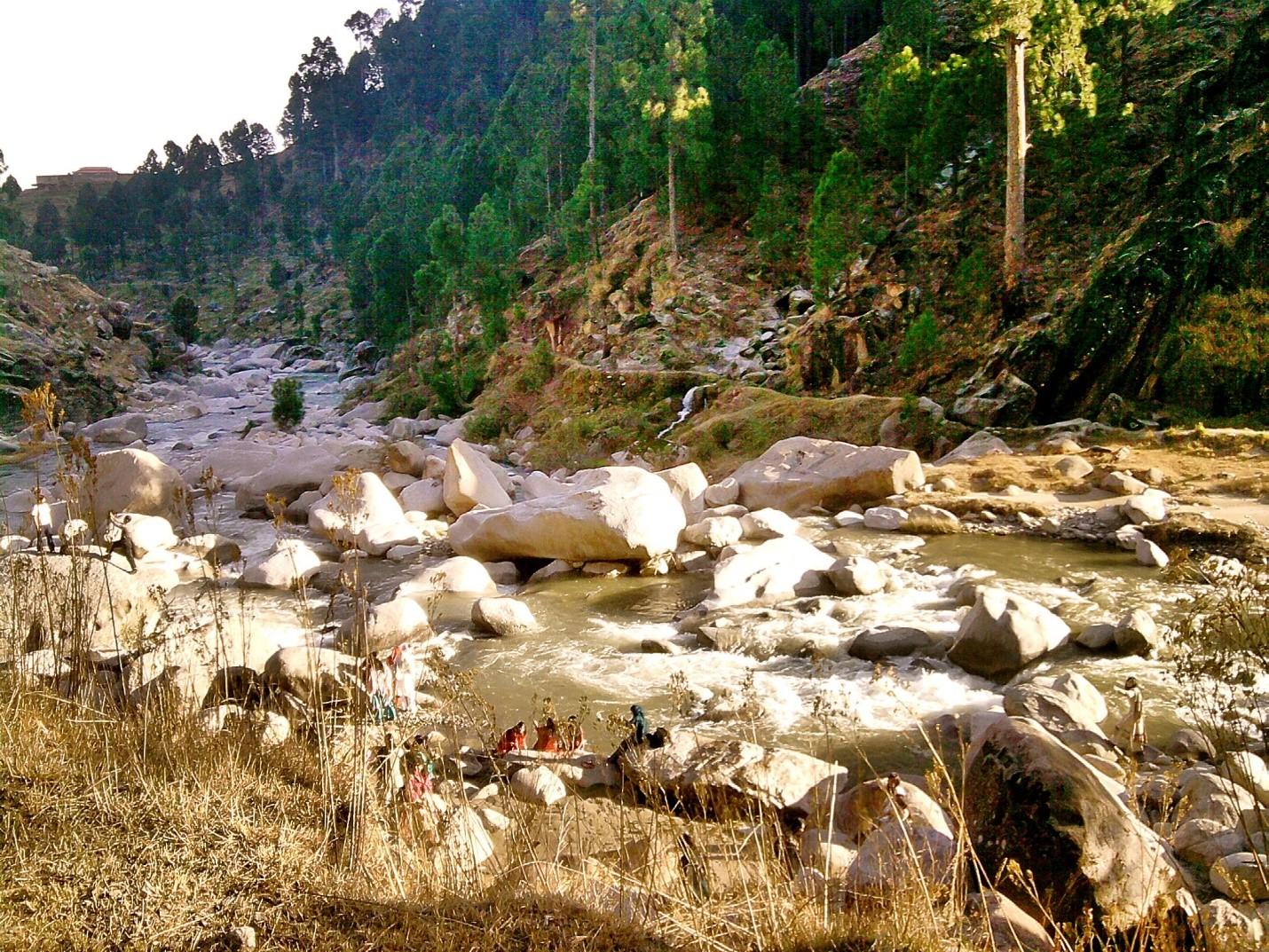
Thandiani is surrounded by pine and fir forests. Informal walking routes allow visitors to explore these areas without structured trekking.
Nearby villages reflect everyday Hazara mountain life. These are not tourist attractions but add cultural context for travelers interested in observing local routines.
From City | Approx. Distance | Route Overview |
Islamabad | ~90 km | Islamabad → Abbottabad → Thandiani |
Rawalpindi | ~95 km | Rawalpindi → Abbottabad |
Lahore | ~380 km | Lahore → Islamabad → Abbottabad |
Peshawar | ~250 km | Peshawar → Islamabad → Abbottabad |
Local Transport Notes
Travelers reach Abbottabad first, followed by a steep but paved road to Thandiani. The final stretch involves mountain driving, and fog is common during monsoon months.
The best time to visit Thandiani is late spring through early autumn. Winters suit travelers comfortable with cold conditions.
Accommodation in Thandiani includes:
Facilities are modest but suitable for overnight stays. Heating and hot water should be confirmed in winter. Luxury accommodation is limited, reinforcing Thandiani’s quiet character.
Thandiani is best explored on foot. Walking along forest edges and open ridges allow visitors to experience altitude changes, shifting light, and forest density without strenuous effort.
Wide landscapes, forest layers, cloud movement, and sunrise views make photography a natural activity. The absence of heavy development allows unobstructed compositions.
Designated open areas and clearings are commonly used for picnics. Visitors typically bring supplies from Abbottabad due to limited local options.
Thandiani appeals to travelers who enjoy sitting, reading, or simply observing weather changes and valley views.
Thandiani does not have a strong food identity of its own. Food availability is shaped by its role as a hill station rather than a culinary center.
Chicken Karahi
Prepared in a simple style and available in small hotels.
Daal Chawal
A common daily meal served to overnight guests.
Roti with Vegetable Curries
Seasonal vegetables cooked simply and served with bread.
Tea & Light Snacks
Tea, biscuits, and pakoras are commonly available, especially during cooler weather.
Most visitors rely on meals provided by their accommodation or bring supplies from Abbottabad.
The population around Thandiani belongs mainly to Hazara and Hindko-speaking communities. Urdu is widely understood.
Hindko is commonly spoken, reflecting the region’s cultural continuity.
Warm clothing is worn most of the year because temperatures are cooler. Traditional attire is part of daily life, especially among long-term residents.
Life in Thandiani follows seasonal rhythms. Summer brings visitors and temporary activity, while the winter months are quieter. Hospitality is reserved, practical, and respectful rather than expressive.
There are no major festivals unique to Thandiani. Cultural life is embedded in routine rather than events.
Category | Species | Visibility |
Mammals | Rhesus monkey | Common |
Mammals | Red fox | Rare |
Birds | Himalayan bulbul | Common |
Birds | Woodpeckers | Common |
Category | Species |
Trees | Pine, fir, cedar |
Plants | Ferns, wildflowers |
Shrubs | Mountain undergrowth |
These forests play a role in regional water retention and climate moderation.
Thandiani’s forests are the whole point of the place, and they are also the most vulnerable part.